Showing posts with label stockpiling. Show all posts

Thursday, June 11, 2015

Summertime Food Scrounging

I don't know if it's some leftover primal urge leftover from our hunter gather days, whether it's the excuse of getting out into the sun, or maybe just a bit of wild desperation for nature after a long, cold Ohio winter has kept me under lock and key for months. For whatever reason, when the days are getting warm, I get to food scrounging.

Over winter, I eat a lot of foods that I put up over the previous warm season. Smoothies are made of frozen berries foraged in the neighborhood. Work snacks are crabapple candy, delicious sweet-sour treats of dehydrated "waste" fruit. Soups are made of a handful of this dehydrated goody and that bag of frozen greens and that ham bone that's been waiting in the freezer for a chance to shine. By the time June comes along, the pantry is a little more bare, the selection a bit more paltry. So out I go to restock the larder and prepare again for the cold days that will come.

Anyone who follows this page knows that I have two primary ways to cut my grocery spending: gardening and salvage grocery shopping. Both are fantastic ways to trim back the budget. Gardening requires little money, but lots and lots of time. Salvage grocery shopping takes little more time than regular grocery shopping, but still takes a fair amount of money. So while foraging doesn't make up a large percentage of the yearly calories, it is a worthwhile pursuit. It takes little time, compared to a full season of gardening, and it takes absolutely no money. It also adds lots of variety to the diet that would otherwise be impossible. Wild foods are very nutritious and can be delicious.

Starting out in early spring, but still viable in early summer, is foraging for wild greens. They are best early, and by this time of year (June) are a bit bitter. However, even now, they're worthwhile, especially if the bitter greens are going into a robust dish with lots of garlic and cream. Dandelion greens are the best green to get started with simply because everyone knows what dandelion looks like. You don't have to worry about accidentally poisoning your family (provided you pick from a yard you know is unsprayed). Harvest those dandelion leaves when they are tiny and haven't flowered yet for the tastiest treat. Once they flower, they are tougher and more bitter, so you'll want to use them in cooked dishes, rather than fresh salads.
Creasy greens with a baby bud in the center.

I also harvest creasy greens. These are a southern favorite that should be a northern favorite too. I love them steamed or tossed into a stir fry. Once they send up a flower stalk, stop harvesting the leaves, but then, oh then, you get the stalks. They look like mini broccoli stalks and taste like a wilder broccoli. Trucker loves broccoli, but I've never been able to grow it in my garden. This year I only harvested enough for us to eat fresh, but next year I plan to freezer in meal-sized portions for winter.

Research the wild greens that grow in your area, sample them and harvest bucketloads of the ones you like. To preserve them, simply steam them until they wilt, then cool and pack into freezer bags. Depending on family size, you can pack 1, 2 or 4 cups into each bag. Freeze flat for maximum storage in the freezer. Pull out a bag at a time to reheat as a steamed vegetable, add to omelets/frittata/quiche/souffle, or mix into a dip, similar to spinach dip but with free greens. Creasy green flower buds can be steamed or boiled a couple minutes, then dunked into an ice bath before packing in freezer bags.

Dandelion flowers can be fried for perfect fritters or the petals added to fresh salads. If you want to fill your larder with them, think of dandelion wine, dandelion jelly or dandelion syrup.

Edible flowers (Violets, Grape Hyacinths) add pretty color
to salads. Candied violets are great for cake decorating.
If you live in morel country, then it is the best foraging to be done. Nothing, absolutely nothing compares to a morel. If you have good huntin' ground, eat as many as you can fresh, as this is the best way to enjoy them. If you are really lucky and get a huge harvest, you can dehydrate them to use in winter. I once saw dried morels for sale for $230/lb.

Violets are edible and prolific, at least in my garden beds. You can eat the flowers or leaves in salads, or you could steam and freeze the greens. The flowers can be added to tea blends, mixed into sugar for a floral note for teas, or candied for decorating desserts.

Then it's berry season. For me, that means mulberries. When I was a kid, my grandma used to take me out mulberry picking. We'd pick bushes of them. After a long day of picking, Grandpa would come home and we'd all sit down to bowls of mulberries with milk. It's still my favorite way to eat them, but I do preserve some for winter. There are two main types of mulberries: red (which ripen to almost black) and white (which start lime green and fade to white when ripe). Then there are hybrids which can be pink or white with purple frosting. I prefer red berries to all other kinds due to the taste, but the other kinds don't stain the hands as badly. To harvest, you can pick them by hand, but it is labor intensive and wasteful. When mulberries are fully ripe, they fall off the tree at the drop of a hat, so if you pick one berry, five more fall to the ground. Instead, lay down a sheet or a blanket you don't care about. Gently shake the branches over the sheet. The perfectly ripe berries will fall onto the sheet. just grab the corners to pile the berries together, then bag up. This makes harvesting a breeze and you can get a whole tree harvested in twenty minutes. You can also harvest wild blackberries or raspberries if they grow in your area. These taste fantastic and you'll love them more than anything sold in stores. I freeze them on cookie sheets; one frozen solid, they are packed into freezer bags to dump a little at a time into smoothies or to eat as a chilly snack later on in summer.

Plantain seeds air drying on a cookie sheet.
Broad-leaved plantain is an edible green, but also provides some healthy seeds. When the stalks are mature and the tips of each seed is starting to turn slightly brown, I harvest them by the handfuls. I strip the seeds from the stalk by gripping near the top and pulling back to the base while holding it over a big bowl to catch the falling seeds. I don't worry about the immature seeds at the top. It doesn't add up to a lot, but it is nutrient rich and provides good variety. I use them in teas for respiratory problems sometimes, but often, I just crush some seeds into any baked goods/pizza crusts I'm making for extra fiber. It provides nominal cost benefits, but good nutrition. It also is nice, relaxing work for a warm evening with a beer on the patio, so I continue to do it.

Any and all surplus greens from the garden, and some wild greens are preserved into green powder. This bitter-as-heck powder has nothing going for it, flavor-wise, but is a healthy addition to the diet. I use greens with bad texture, like the full-sized greens on a radish bulb, carrot greens or tough dandelion greens. I dehydrate them until they are bone dry, then crumble them by hand or in the blender until they are a course powder. This powder is a nutritional powerhouse, and is an easy addition to meatloaf, casseroles, green smoothies, even brownies, anything that could use a little more veg. I try to limit its use to dishes with strong flavors to mask the bitterness. In winter, even that bitterness is welcome when there is such a limit to veg.

Crabapples waiting to be processed.
All season long, I keep an eye out for feral fruit trees. I know of countless crab apple trees, several apple trees, and 3 pear trees. All of these trees litter the sidewalks of hapless homeowners who don't connect the rotting fruit on ground with the self-sufficient thoughtfulness of previous owners. Since they don't want to bother with it, I help them out. Since I'm harvesting the stuff, they don't have to clean off their sidewalk. It's a public service, really. For apples and crabapples, taste them occasionally. Once they taste good, harvest. For pears, I tend to wait until I see the first pear on the ground, then harvest the tree clean. These apples and pears might not be the tastiest, but can be used creatively. Juice them with other apples, pears or other fruits. Add them to applesauce. Bake with them. Dehydrate them into chips. Blend with other, more tasty fruit and dehydrate into fruit leathers. If there aren't too many bug holes, they will even store in the frig for months.

Crabapple candy ready to go into the dehydrators.
Crabapples are a special thing. They take effort to use, due to their small size, but they are fantastic. They add great zing to apple juice, cider or sauce. The bright red ones in particular add fantastic color to a basic sauce. I add them to apple crisp for a bit of color. My favorite, albeit labor-intensive way to use crabapples is to make crabapple candy. I cut each crabapple into halves or quarters, then pop out any seeds. I toss in sugar until it is coated well. I load them onto dehydrator trays and dry until leathery. These candies are delicious, and while not a health food, go a long way to reduce consumption of scary store-bought candy. I think they are like a chewier sour patch kid.

Many herbal teas can be put up from foraged weeds. Use a dehydrator for quick drying to minimize flavor loss. If you don't have a dehydrator, use a low oven or hang in a cool dry place. Pineapple weed (related to Chamomile) is my favorite wild tea. It has a lovely exotic tropical floral taste and scent. You can also dry violets, dandelion leaves, mints, dead nettles, clover blossoms, strawberry leaves, or many more. Dandelion roots can make a mock coffee that's to die for.
By the end of the summer, I like to have scores of different wild foods put up for later. It makes winter much more enjoyable to pop open some jar of summery goodness and remember that spring will come again.

Thursday, October 23, 2014

Salvage Grocery Shopping...take 2

Yesterday we went to our favorite salvage grocery store since we were in town (It's 1.5 hrs away, but only 10 minutes from my family). We stocked up on a lot to make winter grocery bills more manageable, especially since we aren't sure how often we'll be able to make the trip once the roads are nasty.
 As usual, we found some fantastic deals, some things that we would never buy and others that were more costly than the regular grocery store. You have to know your prices; keeping a cost book can be extremely helpful when shopping at salvage groceries. Sometimes you'll find a hundred of a good deal and can get enough to last months. Sometimes you only find one. It's always an adventure!

One thing with salvage shopping...it's all packaged foods. There aren't produce bins, there's no local-bakery-outlet, there's no bulk meat counter. This is all packaged. There are certainly some GM ingredients in some of the items. And yes, I know that in a perfect world, I would eat no packaged foods and make everything from scratch. I would buy everything direct from the farmer and would only eat perfectly balanced meals. But this is the real world. We both work full time and have projects we work on from home. We try to spend quality time together and with family and friends. Sometimes packaged foods are eaten. Sometimes we cave to cravings. Sometimes we eat convenience foods. However, we eat as much from foraging and the garden as possible and dehydrate a few hundred pounds each year. We cook as much from scratch as we can. We make our own convenience foods in the form of cooking a giant batch of chili and freezing meal-sized portions, or cooking 5 lbs of ground beef and freezing in 1/2 lb portions for quick and easy tacos. We also are on a lower income (as are many readers) and just don't have the money to buy organic/free range/ecologically produced/chemical free/package free everything direct from the farmer. We produce as much healthy and ethical food as possible and buy as much of the same from local farmers, but we're not in a place where we can do it 100%. Shopping at salvage groceries allows a little cushion to buy bacon from our favorite farmer for $2 more a pound instead of getting the cheapest store brand on sale with no thought to how it was produced or by whom. It allows a bit extra to buy tomatoes at the market when ours don't produce well. At the end of the day, all we are ever trying to do is live the highest quality life possible given our circumstances. There is no need to feel like a failure if you cannot do everything exactly as you'd like to. Just do your best and look for creative options to give you flexibility, like shopping at salvage groceries.

This salvage grocer is our favorite for one main reason: They get the outlets from natural food stores as well as regular grocery stores. That means that sometimes we score organics for less than grocery store brand on sale. The usual shoppers tend to go for the familiar brands, meaning that the "weird hippie" brand foods are often priced lower.

So...on to the scores! I'm including the price we'd pay at the regular store with smart shopping using sales and sometimes coupons. I'm also including commentary on why we purchased certain items or whether they are a "luxury" we wouldn't have otherwise.


Honey Bunches of Oats 14.5 oz box (1).....$1.79 (We aim to never spend more than $2/box for cereal, which is an occasional sale price at the regular grocery store, but not common anymore. Trucker eats oatmeal most mornings, but does still eat some cereal)
Honey Bunches of Oats Greek Yogurt 12.5 oz box (2).....$1.49 each
Honey Kix 12 oz (2).....$1.49 each
Special K 12 oz (1).....$1.49
Cinnamon Toasters 10 oz (8).....$.33 each (whenever we find cereal priced below $.50/box we buy extra and distribute to other families)

Pace Garlic and Lime Salsa Verde 16 (2).....$.49 each (Cheapest we ever see salsa around here is $1/jar)
Roasted Green Chili Peppers 16 oz (2).....$.99 each (I adore pickled peppers, but only get them on the rare occasions when they are $1/jar or less)
Los Palmos green enchilada sauce 10 oz (1).....$.49 each (usually over $1/can at regular stores)
Herdez salsa verde 7 oz (2).....$.39 each
Rotel tomatoes and chiles 10 oz (2).....$.59 each (usually $1+/can; we use this occasionally in chili. This year we will have to buy more tomato products than usual because we were only able to put up about 20 lbs of dehydrated tomatoes this year. It was a bad tomato year here)


Bumblebee Clam Chowder 15 oz (1).....$.69 (this is a convenience food for days when I'm working all day and Trucker needs a quick meal when working on a project)
Marie Callender's Vegetable Soup 15 oz (1).....$.69


Mueller's Ridged Jumbo elbows pasta 16 oz (3).....$.69 each ($1/lb is the cheapest we ever find here)
Mueller's Ridged Ziti pasta 16 oz (1).....$.69
Barilla Multigrain spaghetti 14.5 oz (3).....$.79 each
Skinner spaghetti 16 oz (1).....$.59
Mahatma extra long grain enriched rice 3 lb (1).....$1.49
Hunt's meat pasta sauce 24 oz (1).....$.99 (like I said, we'll run out of garden tomatoes really early this year)
Barilla Pasta sauce 24 oz (1).....$.99

Peppadew Mustard 9.5 oz (2).....$.59 each (this is my favorite mustard ever)
Grey Poupon Dijon mustard 8 oz (1).....$.79
Spectrum Organic Mayo 16 oz (1).....$.49 (cheaper than store brand conventional on sale)
Heinz Hot and Spicy Ketchup 14 oz (2).....$.69 each (this is about the same price as regular on sale, but maybe will taste better, we'll see)
Del Monte canned carrots or mixed vegetables 8.25 oz cans (2)......$.39 each (we dehydrate a lot of produce, but we do tend to run low by spring)

Tazo Chocolate Chai Latte concentrate 1 qt (6).....$.79 each (I love chai, and yes I could make my own concentrate, but I haven't found the time lately...this works and keeps me from ever splurging on a chai when we go out)
Tazo Chocolate Chai Latte concentrate 1 qt (1).....$.39 (This was the only one priced this low, but I looked for more and would have put the others back if I'd found any cheaper)
Oregon Chai concentrate 1 qt (1).....$.39
Twinings Orange and Cinnamon Spice tea 20 bags (1).....$1.49 (At 7.5 cents per tea bag that is used twice, tea is one of our most frugal drinks. We especially enjoy turning on the tea kettle every evening in autumn and winter)
Bigelow Orange and Spice tea 20 bags (2).....$1.49 each
Bigelow Plantation Mint tea 20 bags (1).....$1.49
French Market Coffee+Chicory Blend 12 oz (1)....$2.49 (this is a favorite indulgence and lowers our caffeine consumption. I forage a lot of dandelion coffee to cut with our regular coffee, but it is very labor intensive and I could never produce enough for an entire year)
LavAzza Italian Coffee 8.8 oz (2).....$2.49 (this is a little higher than we usually pay for Maxwell House coffee when it goes on a fantastic sale every 4 months. We like good coffee, but cannot justify paying full price for good stuff considering how much we consume)
Life is Good coffee 11 oz (2).....$2.49 (We were visiting my grandpa and didn't want to drink all of his coffee. We talked about stopping at a gas station for nasty coffee at $1.25/mug when we used our travel mugs, but then we'd want to stop again for more before heading back home later that night. We decided to bring in one of the packages of coffee and brewed a pot while we were there. He loved it so we left the rest of the bag for him to enjoy for the next week or so. It still cost us half the cost of buying it at the gas station, it was tastier and we got to give my grandpa an indulgence he would rarely get)
Koolaid packets (11).....$.10 each (This is a rare thing....mainly as a mixer for vodka when we're feeling trashy...or if friends with kids come over....but then there's no vodka. Also, every now and then in summer I start craving a slurpee type drink, but I'm scared to death of the mold in the machine and the high fructose corn syrup and the cost. So I make a super concentrated koolaid with a bit of regular sugar and blend with ice. Costs me around $.15 for 2 servings)


Tone's Cinnamon Sticks, approximately 82 sticks per container (2).....$2.49 (I have never purchased whole cinnamon sticks because they are cost prohibitive. I'm beyond thrilled. Trucker had to talk me out of buying 20 containers....because I totally would have)

Hidden Valley Ranch dressing 12 oz (6).....$.20 (Yes, I could and sometimes do make my own salad dressing. However, I really stick to basic non-cream-based dressings, and sometimes I just want something quick and easy. Plus at this cost, I could not make it cheaper until I start making my own vinegar)
Naturally Delicious Peppercorn Parmesan dressing 16 oz (1).....$.20
Ken's Poppyseed dressing 16 oz (1).....$.20 (My parent's favorite dressing, so I like to have it when they come over)
Kraft Zesty Italian dressing 16 oz (3).....$.20 (This stuff makes an awesome marinade for chicken before grilling-my mum's trick)
Kraft Thousand Island dressing 16 oz (2).....$.20
Kraft Catalina dressing 16 oz (1).....$.20
Kraft Zesty Lime dressing 8 oz (1).....$.10

Sour Patch kids (1).....$.49 (Generally, I try to provide Trucker with lots of yummy and healthy snacks like dried apples and other fruit. At the end of the day, he's a grown man and if he wants a bit of nasty-sweet candy, I'm not going to tell him he can't. If I make it forbidden fruit, he's going to fiend it more)
Bag full of energy bars.....$3.99 (this included 30 bars, so it was 13.3 cents each. These are used mainly for hiking, but also on road trips. We keep a few in each vehicle in case of emergency or if we forget to bring lunch, we have a little something without resorting to eating out. We got 15 Go Organic! double chocolate bars, 1 Promax double fudge brownie bar, 2 Power Protein bars, and 12 Clif Shot Blocks for running)

Smart Sense Dishwasher detergent 75 oz (1).....$2.99 (we usually hand wash dishes, but I use the dishwasher when I have marathon cooking days. Frankly, I hate washing dishes and would not do big cooking days if at the end when I was already exhausted I had to wash dishes for 45 minutes. We still have a box at home, but since I rarely find it on sale, I started shopping when I opened the last box)
Arm & Hammer laundry detergent 60 loads (3).....$2.99 each (this is half the price we usually pay on sale with double coupon. I do plan to eventually start making my own, but with so much going on lately, have not had a chance to give it a go)
Grout sealer (1).....$.99 (One of the projects I am going to do this winter while I'm trapped indoors is redo all of the grout in the bathroom-showers and floor. I stockpiled materials for different projects all summer while thrifting and yard saling so that I don't have to spend the money or go out in bad weather to the store to buy supplies)
Cologne (2).....$1.99 (Trucker likes this stuff better than the dollar store brand)
Temptations cat treats 7 oz (1).....$.99 (every now and then Ray cat gets a treat...however, it is rare and she is still lean and athletic)

So, total we spent $86.30 on all of this. We shop here every 3-4 months, so this comes out to $20-25 a month and significantly lowers the costs of general shopping in between.

Saturday, October 4, 2014

Dehydrated Tomatoes, or...the best way to preserve summer ever

I positively adore tomatoes, in every way possible. Salsa, marinara sauce, pizza, on salad, thick slices with cottage cheese, sun-dried and soaked in olive oil. *sigh*

Last year, my garden dumped a ton of tomatoes on me. I couldn't keep up! The stash on the counter grew and grew and we were eating them every way we could think of. I haven't learned to can yet (on the to-do list for the coming year), but was not about to waste any of those beautiful morsels of summer. I had been dehydrating apples for a year or so, and loving the results. I decided to try my hand at making dried tomatoes.

The benefits to dehydrating tomatoes are many. First off, it prevents wasting precious, beautiful, flavorful, perfect homegrown tomatoes. That alone makes it worth doing. It is incredibly easy, and the work of preparing the tomatoes and putting them on the trays is relaxing and meditative. It uses a low to moderate amount of electricity to preserve, and then none to store. It doesn't go bad if the power goes out (like frozen foods would). It can be stored in repurposed containers and therefore free containers. It doubles as decoration. It is good for at least several months when simply stored, and with ideal storage is good for much longer. It concentrates the flavor allowing for incredible food experiences. It stores in a small amount of space. Dehydrated tomatoes can be used in a wide variety of ways.

So now that I've convinced you, let's get started on the how.

Select any ripe tomato. Big juicy tomatoes won't be as good as meatier tomatoes, but I've never regretted dehydrating a tomato. When you dehydrate a tomato, you remove all or most of the water, so the flavor is super-concentrated. This is perfect. For a good tomato, you can turn good flavor into omg-this-is-epic flavor. For tomatoes that are a bit on the bland side, removing the water means that there is distinguishable flavor. Last year I grew a green tomato that was really pretty, but eaten fresh had little flavor. Dehydrating them meant that I could at least taste tomato when I ate them. This kept them from being thrown into the compost or otherwise wasted.

Cut them up, depending on what type. Cherry or grape tomatoes are best simply cut in half. Romas can be cut in halves, quarters, thick or thin slices. Large tomatoes should be sliced in thick or thin slices. A standard dehydrator will hold a lot of tomatoes so make sure you have a good number before getting started. Halves, quarters or thick slices will take longer to dehydrate, but too thin of slices may burn if you don't pull them out soon enough. I'd suggest no thinner than 1/4 inch slices.

Lay the tomato slices evenly across the screens. Don't allow them to overlap at all, but it is fine to have them touching. Place the trays into the dehydrator. If you have a temperature dial, set it for 130-135. The first few times you dehydrate them, make sure it's during the day and you can be home to check them. The last thing you want is to burn those precious beauties! Check them after 4 hours. In my old dehydrator, some of the tomatoes would be ready in 4-5 hours. If one tray is more dry than the others, rotate the trays so the least dry tray is where the most dry tray was. Check every hour or so for the first few times. Keep track of how long it takes your dehydrator to dry tomatoes for the thickness you decided on. In the future you can check less often or allow the dehydrator to run overnight or when you leave the house.

If you are drying slices, the slices will be brittle when ready. To check, remove a couple pieces from the dehydrator and allow them to cool for a couple minutes. They will seem less dry when hot, so you want to allow them to cool completely. Pick them up and drop them on the counter. They should clatter. You can also bend it. If it breaks in half completely, it is very dry and ready to store. If you are drying halves, quarters or thick slices, it won't break in half when you bend them. It will also be harder to dehydrate them as completely, so they may not store as long. For these, after they cool, tear a piece in half. Looking at the torn edge, squeeze the piece firmly. If you see a bead of water start to form or if it looks wet, dry it longer. You want it to look very dry in the middle.

Once they are dry, allow them to cool for several minutes. Don't allow them to cool for more than a half hour, as they can start to reabsorb water from the air, causing them to spoil in storage.

The easiest way to store dehydrated tomatoes is to place them in repurposed glass jars. I save most glass jars from condiments, pickles, sauces, and dressings. These are great for food storage. Wide mouthed jars are the best for storing dehydrated tomatoes. You can pack the tomatoes in rather tightly, then cap tightly.

For the longest term storage, keep in a cool, dark, dry place. However, if you plan on using them within the winter following harvest, you can use them as decoration. I line the tops of my cabinets and a shelving unit in my kitchen with glass jars filled with dried foods. It adds a lovely country charm to the room and I love it.

Now for using them! There are so many wonderful ways to use the tomatoes, you'll be devastated when your supply runs out and promise yourself that your going to double your garden space next year (if you are anything like me).

* As a snack-the intense flavor of dehydrated tomato slices is wonderful as is, but you can also sprinkle with seasonings before drying your tomato chips.
* Powder the bone-dry tomatoes. 1 part powder + 1 part water = tomato paste. 1 part powder + 3 parts water = tomato sauce. You could also use this to make tomato juice or tomato soup.
* Crumble tomato slices into a too-thin chili about a half hour before serving to thicken it up perfectly.
* When making a deli-meat sandwich for a bag lunch, place a slice of tomato against the mayo. It will rehydrate using the moisture from the mayo and provide incredible tomato flavor without the sogginess.
* Pour hot oil over a jar of them, then place in the refrigerator for a week. They'll soak up some of the oil to give you wonderful mock sun-dried tomatoes to use on sandwiches, salads, pizza or in pasta dishes. The oil will also be tomato flavored and incredible for salad dressings.
* If your enchilada filling is a bit too thin, add some crumbled tomatoes. They'll rehydrate during cooking.=

What are your favorite ways to use up dehydrated tomatoes?

Shared on:
The Self Sufficient HomeAcre

Monday, February 17, 2014

Salvage Grocery Shopping

Want to save money on groceries? Like keeping perfectly edible food from going into the landfill? Want to have an adventure while grocery shopping? Check out your local salvage grocery!


Salvage groceries buy closeouts from other stores, so there is no guarantee of what you'll find. Sometimes the selection is awesome, other times it's lacking. The items are either discontinued items, items with changed packages (say, 12 oz packages left over after the company starts making 11.5 oz packages), dented cans or boxes, seasonal items, expired products or items leftover when a store closes. My favorite salvage store gets items from health food stores, so I find lots of organic products for a price comparable to Aldi. Overall, the prices are better than the sales price at the chain groceries in my city, and sometimes I get incredible prices. I am able to buy "higher end" products than I would otherwise be able to afford. These items would likely be thrown away if it weren't for salvage groceries, so I like knowing that by shopping there, I'm keeping perfectly good food from being destroyed (When I worked at a grocery store, management made us throw all dented items into the garbage, and lock the dumpster to keep people from diving it). Plus, I never know what I'll find, so it's an adventure, or at least as close as grocery shopping ever gets.

Now for the warnings. Know your prices. Some things cost more at salvage stores than the sales prices at the chain grocer. Check the packaging. Dented cans are probably okay if it's a small dent that isn't on the lid or seam, but pass up badly dented cans or anything that is rusted, leaky, missing a label, or otherwise looks suspicious. Don't buy boxes or bags that have been torn open and taped back together. Check packets/bags to see if they are sealed or if there are tears. Check the expiry dates. As many articles lately have shown us, "use-by" or "best by" dates are more of suggestions than rules, but it's probably best to avoid anything with an expiry date of 2008. Buy things you eat; don't buy something you don't like just because it's an awesome price.

Here's the list of items that I found on my latest trip:

Cascadian Farm Purely O's cereal, organic...2 @ $.79
Barilla spaghetti...1 @ $.59
Agave nectar...1 @ $1.99
King Arthur Self Rising Unbleached flour...5 lbs for $.99
Tollhouse White Chocolate Chips, 24 oz package...1 @ $1.99
Corn tortillas, 10-12 packs...8 @ $.10


Vlasic Roasted Red Peppers...4 @ $.49
Mrs. Sassard's Bread and Butter Pickles...1 @ $.99
Chipotle salsa...1 @ $.99
Wolfgang Puck Marinara...1 @ $.99
Colavita Spicy Marinara...1 @ $.99
Le Roselli's Spaghetti sauce...1 @ $.99
Diced, fire-roasted tomatoes...1 @ $.59
Smuckers Triple Berry Topping...1 @ $1.59
Smuckers Peach Preserves...1 @ $1.59
Jif Hazelnut Chocolate spread...6 @ $1.49

Kraft Mayo, fat free...2 @ $.39
Kraft Mayo...1 @ $.79
Miracle Whip...3 @ $.99
Hellmann's Mayo...1 @ $.39 (Yes, I am aware this is a lot of mayo. We had depleted the pantry supply so it was on our list, and both of us tossed some into the cart without the other realizing it. We are re-homing a few jars to someone who can use it)
Kraft Creamy Italian dressing...1 @ $.20
Kraft Ranch dressing...1 @ $.20
Ken's Steak House Chunky Blue Cheese dressing...1 @ $.20
Kraft Thousand Island dressing...2 @ $.10
Wishbone Buffalo Blue Cheese dressing...1 @ $.99
Tony Chachere's Spicy Sweet Sandwich Sauce...1 @ $.89
Kraft Sweet and Sour sauce...1 @ $.79
Peppadew Mustard sauce...1 @ $.79


Wolfgang Puck Creamy Tomato soup, organic...1 @ $.69
Wolfgang Puck Chicken and Wild Rice soup, organic...1 @ $.69

Jerky sticks...2 @ $.49
Gum, 3 packages of 15 pieces...1 @ $.99
Craisins...1 @ $.99


8 o'clock coffee, 24 oz package...1 @ $6.99
8 o'clock coffee, 12 oz package...1 @ $2.49
Folger's Vanilla Biscotti coffee, 10 oz package...1 @ $2.49
Chock Full O Nuts coffee, 11.3 oz package...1 @ $2.49
Maxwell House coffee, 11.5 oz package...1 @ $2.49
CDM Coffee and Chicory, 13 oz package...1 @ $2.49
Seattle's Best Coffee, 12 oz package...1 @ $2.49
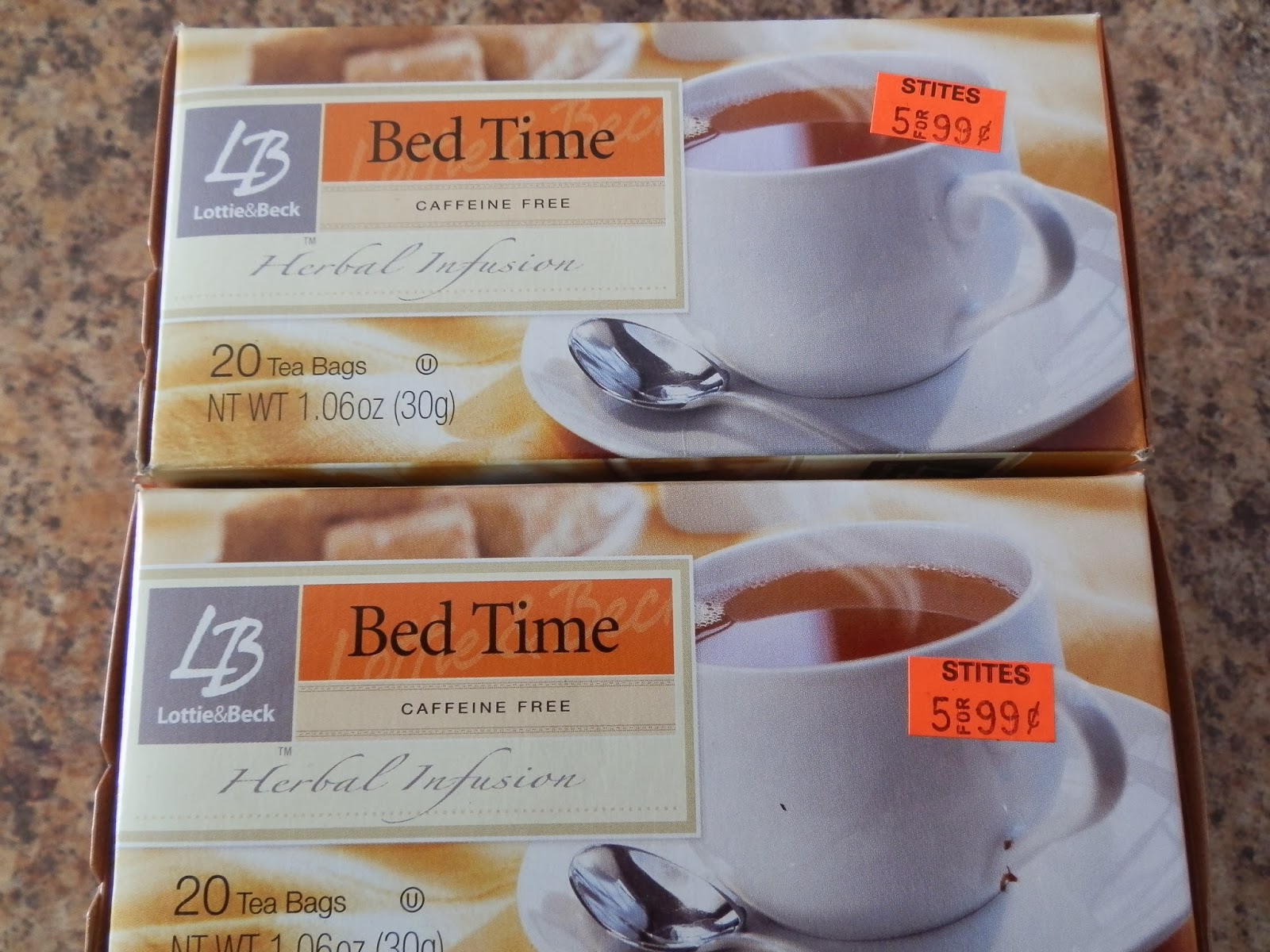
Lottie + Beck Bed Time Tea, 20 pack...2 @ $.20


Temptations cat treats, 3 oz...3 @ $.99
Goodlife cat treats, 3 oz...3 @ $.99
Hartz Crunch 'N Clean cat treats, 3 oz...4 @ $.25

Simply Green toilet paper, 100% recycled...16 @ $.99

Cologne...1 @ $1.99
Reusable cold drink cups and straws, 2 pack...1 pk @ $4.99
Utility lighter...1 @ $.79
Ball pint canning jars with lids and bands...6 @ $.33 (Trucker found these! Best deal I've ever found on canning jars)
Bathroom rug...1 @ $2.99


We also bought some bulk assortments: 2 bags of snacks/misc items for $3.99 each and 3 bags of seasoning packs for $.99 each. Within those bags we got:

Lifesaver mints...95
Kit Kat snack sized candies...13
Fruit gummy snack packs...27
Russell Stover candies...2
Ferro Rocher chocolates...3
Candy toys (novelty candy dispensers)...3
Instant oatmeal...3 packs
Caribou Coffee K cups...5
Starbuck's Via packs instant coffee...6
Cake Mate Writing gel...1
Moon Pies...16
Odwalla granola bars...32
Quaker fruit and nut bars...4
seasoning packs from salad dressing to grilling to canning mixes...73


We bought the snack/misc bags for the granola bars that we use when hiking and the seasonings bags for the canning/grilling seasonings. A lot of those items will be given to someone who uses them. We don't have a Keurig coffee maker, and I don't know anyone who does, so I just opened them and dumped them into another coffee container.


Our total purchase was $127.32. To see how much I saved, I added up the sale price that I would feel comfortable paying at my regular grocery store for just those items that I would actually buy (so the Keurig cups, moon pies, etc are not included). The price I would have paid at my store was around $265. This trip saved me $138. Also, for some items, I got more variety, or a higher-end product. For example, the salad dressing, I compared paying $1 for store brand dressing, but the store brand that is $1 at my store has only 4 varieties. For our coffee, we buy basic store brand, or whatever is on a good sale, but we love it when we get the coffee and chicory blend for about the same price per ounce.

Do you ever shop at salvage groceries? Love them? Hate them? Any great scores you'd like to share?


Shared on:

Homemade Mondays

Friday, November 29, 2013

Reducing Dependence on the Grocery Store

What would you do if you couldn't get to the grocery store? What if the grocery store was empty? What if it closed? Could you eat? What would you eat?

Most of us depend on restaurants and grocery stores for all of our food. Without them, we'd go hungry. In an age of climate change, economic instability and a terrifying dependence on cheap oil to grow and distribute food, we leave ourselves in a precarious position. By increasing our self reliance and learning new skills, we can increase our security, eat better and have fun! Here are some ways you can take control of your food.

* Learn to cook. If you are dependent on restaurants or convenience foods, the best place to begin is to learn to cook. Start simple, start small. Learn to fry an egg. Learn to make chicken noodle soup. Progressively challenge yourself. Pinpoint your favorite restaurant meals and see if you can recreate them at home. My favorite things at a Chinese restaurant are wonton soup, egg rolls and crab rangoon. These are all really easy to make from scratch, and so I do.

* Learn to make things you think have to "come from the store". Many store-bought items can be made easily at home. Sour cream, butter, pasta, hot chocolate mix, creme fraiche, yogurt, bread, cakes, and more can be made easily. They are usually tastier when made from scratch, and often cheaper.

* Grow some herbs. Whether you want fresh herbs for cooking, or herbs to dry for medicinal teas, growing herbs is a great gateway into growing your own food. Many kinds of herbs grow well in containers or even indoors,so you can get growing even if you live in an apartment.

* Plant a fruit tree or two. If you have the space in the yard, plant some fruit trees for beauty and produce. Apple trees are a sight to see when in blossom, and you can get loads of fruit for snacking, applesauce or pies! Cherry trees are also lovely, and cherries are not cheap in the stores. It'll take a few years to provide a harvest, but then you'll get a harvest for years.

* Grow vegetables. If you have a little sunny spot in the backyard, plant something yummy. Tomatoes fresh from the garden are beyond compare. So are the hundreds of varieties of lettuce, the many varieties of radishes and carrots, peppers of all sorts, eggplants, cucumbers, and zucchini by the bushel! By growing it yourself, you control what goes in them and on them and ultimately into you. You can eat them at the peak of freshness and they don't travel 1500 miles to get to your stomach, either.

* Go to a farmers market. Not only will you find top-quality produce, but you can support small, local farmers. Sometimes you can find produce much cheaper than the grocery store, too. The best way to get great prices is to buy something that is in it's peak season. Since every booth will be offering it, the price will be lower. Ask questions and try new things.

* Get to know a good, local farmer. Whether you meet them at the market or stop by their farm stand, get to know the people who grow your food. You can then make sure that it is of a good quality. It benefits both you and the farmer to cut out all the middle men. The farmer gets a reasonable amount for the food they produce, and you get top quality veg, fresh from the earth. Look for farm stands along your work commute or near your home.

* Preserve it. When you have a surplus of a perishable food, preserve it for later when you won't have as much. During the summer and autumn months when harvests are at their peak, put up food that you grew or found a great bargain on at the farmers market. Canning is a great way to put up tomato sauce, jams, jellies, and pickles, but is intimidating for beginners. Fermenting is also a great way to extend the life of food, but again, intimidating (I still haven't gotten up the nerve to give it a go). The best intros into food preservation are freezing and drying. They are easy, quick to learn, pretty much foolproof and quite safe. Freeze peppers and onions for stir-fries and omelets. Freeze bananas and berries for smoothies. You can also freeze homemade foods. Freeze muffins and breads for later use. Freeze pancakes and waffles for a convenient breakfast food that doesn't come in a box. Dehydrating food is my favorite way to preserve. I use a dehydrator but you can also use the oven or just put them outside or in a car on a hot, dry day. Apple chips are a favorite snack food and dried tomatoes are to die for. I also dehydrate cucumbers, peppers, pumpkin, zucchini, onions, mushrooms, strawberries, plums, peaches and pears.

* Have family preserving/cooking days. If you have fruit trees that produce more fruit than your family can eat, or that you can put up alone, or if you find a great deal on a 100 pounds of tomatoes, get the family (or a group of friends) together for a day of preserving food for everyone to enjoy throughout the year. Make jams and jellies to give as holiday gifts. Cook apple sauce like my family does on our apple processing days.

* Plant some edible landscaping. If your homeowners association or zoning commission doesn't allow formal vegetable gardens, mix some edibles into the landscaping. Nasturtiums are a beautiful edible flower. Rosemary bushes can double as hedge and flavoring. Lavender is beautiful and makes a calming tea.  Asparagus ferns could be worked in as a lovely background plant.

* Get a few hens for entertainment and breakfast. Nothing compares to a honest-to-goodness, fresh egg from a loved hen. The yolks are a rich orange and stand up tall and taste worlds different than that crap they sell at the grocery. If you are less queasy, you can also get into raising a few chickens (or rabbits) for meat. If you aren't caught up in the cute-fuzziness of rabbits, they can be a great source of local, ethically raised and humanely slaughtered meat.

* Get a bee hive, especially if you live in the city. Cities have a lot more flowers for the bees to visit, don't take up much space and you don't have to worry about composting their manure. In exchange for a home, access to flowers and a bit of attention, you can get honey. Sounds like a bargain to me! If you start raising bees, adapt all of your recipes to use honey instead of sugar.

* Forage for wild food. Foraging is an incredibly fun hobby, especially fun with friends or children. Pick mulberries, crab apples, wild apples, forgotten pears, acorns, walnuts, and blackberries. Learn to identify wild greens to use in cooked or fresh salads. Dandelions are my favorite wild food and can be used in many recipes, from flower fritters to bud soup to muffins.

* Speaking of dandelions, the roots can be cleaned, dried and roasted to use instead of coffee. They are earthy, nutty and slightly sweet. While most of us can't produce our own coffee (although you can roast your own!), dandelions grow all over. It's a great way to use an invasive weed, is often raised without chemicals, and as local as they come.

* Buy produce from unconventional sources such as a neighbor's produce stand by their driveway or a produce auction in farm country (these are for bulk purchases, so they pair well with family processing days or canning marathons). Approach feed stores for cheap prices on bulk oats or wheat.

* Brew your own alcohol. With practice, you can brew craft beer on a cheap-nasty beer budget. Country wines can be made with foraged or home-grown ingredients. And if you have bees, mead is definitely something fun to try.


Featured on:
The Self Sufficient HomeAcre
Shared on:


The Homesteaders Blog HopHomestead Barn Hop

From The Farm Blog HopThe Self Sufficient HomeAcre
Related Posts Plugin for WordPress, Blogger...