Showing posts with label living well on less. Show all posts

Tuesday, October 21, 2014

This Week...Beyond Money 10/13 - 10/19

For me, a life beyond money is making choices so that you can live the best possible life, regardless of your income level. Obviously, you have to make a living, but there are many ways to improve your quality of life without increasing your income levels and correspondingly your expenses. This regular post will be some of the ways that we improve our quality of life beyond just trying to make more money.

Gardening:
* Only getting a few little things now: a few beans, an edible flower here and there.
* The indoor peppers are giving me a nice number of peppers each week. Very exciting.

Cooking and Groceries:
* Bought some manager's special meat. Pork chops for $1.65/lb. I bought a 1.10 lb ready-to-cook meatloaf for $2.70. Yes, it's a convenience food. Yes, I also paid $2.70/lb for some bread crumbs. However, I know that we have some busy/stressful days coming up. Having this meatloaf ready to throw in the oven just may be enough to keep us from yielding to ordering a pizza or stopping at a restaurant after a long day at work. Also, 1.1 lbs is enough for dinner one night and part of lunch the next day for us, so it is a relatively affordable convenience food. I don't have issues with convenience per se, only when it interferes with taste, health and finance.
* Bought a big loaf of everything bread at work that was $2.99. My discount brought it down to $2.70. There was a coupon available for a dollar off of a store-baked loaf, so the final cost was $1.70. This made it about the price of one of those weird fluffy pre-sliced factory loaves, but tastier and there was more.
* I spent $10 at the grocery: 4 packages of tortillas at $.50 each (marked down from $2.99/pack), 2 bags of tortilla chips for $1 each (planning ahead for making taco dip soon..), a large bottle of extra virgin olive oil for $4 (clearance rack), and two small cupcakes for $.50 each (marked down from $1.19) as a surprise dessert for Trucker after he'd had a long day at work. I got 10% off everything except the olive oil with my employee discount (that was the one item that wasn't store brand).

Food Preservation:
* Dehydrated more apples.


Fun:
* Got coffee with my friend at Trucker's job. My coffee was free since I got regular coffee (per his boss) and Trucker bought her drink.
* Went to Trucker's job for a cup of (free) coffee and writing. Got me out of the house and I didn't have to turn on the heat for those hours while I was gone (as well as not needing to have lights on or my laptop sipping electricity).

Nature:
* We walked to go out with our friends one night. It was only about a mile and a half round trip, but it the weather was lovely.
* I picked wildflowers to decorate the house. Ray cat loved smelling them. She's a big fan of flowers which makes me love her even more.

Frugality:
* Paid off one of my debts. This frees up $75 a month in the budget. I will put this money towards the debt snowball. The last year was rough on us, but some good job changes (more money!) and careful spending (lower expenses) are translating into some real progress for us.

Waste Reduction:
* Composted everything that could go in there.
* More apple-core sauce.

Work:
* I found out that my new job gives a $25 grocery gift certificate for Christmas. Not a huge thing, but with careful planning I'll get a lot of groceries with it.
* My boss gave me a birthday card with a coupon for a free half gallon of store-brand ice cream. Sweet!


Preparation:
* Put a few jars of dehydrated food into storage.


What did you do this week? Any new projects to brag on or tips to share?

Friday, May 30, 2014

Antique Jewelry


I love jewelry. Not fancy, expensive jewelry (Years ago, I actually told Trucker that if he bought me a diamond I'd say "no"), but fun stuff. What I don't like is paying high prices for something that is boring and everyone else has. I don't like going to discount stores at the mall for jewelry that was cheaply made. My solution? Go antiquing!


I like to browse antique stores with Trucker, but I never thought they would be a good source for my cheap jewelry fix.  Then one day I saw it: a bin of costume jewelry, $3 apiece. I dug through the bin and found a few pieces I loved. Now, every time I go to an antique store, I look for a bin of cheap jewelry. Often, it is $2-4 apiece. Sometimes it's only $1 per piece.

If you go to the mall or department store for cheap jewelry, you can expect to pay $4-20 per piece. The costume jewelry bins are at least competitive, and often much lower than similar pieces bought new.

You do have to sort through some broken, ugly, outdated or just plain weird jewelry. Don't let that dissuade you. There is likely some really good stuff buried beneath it.  

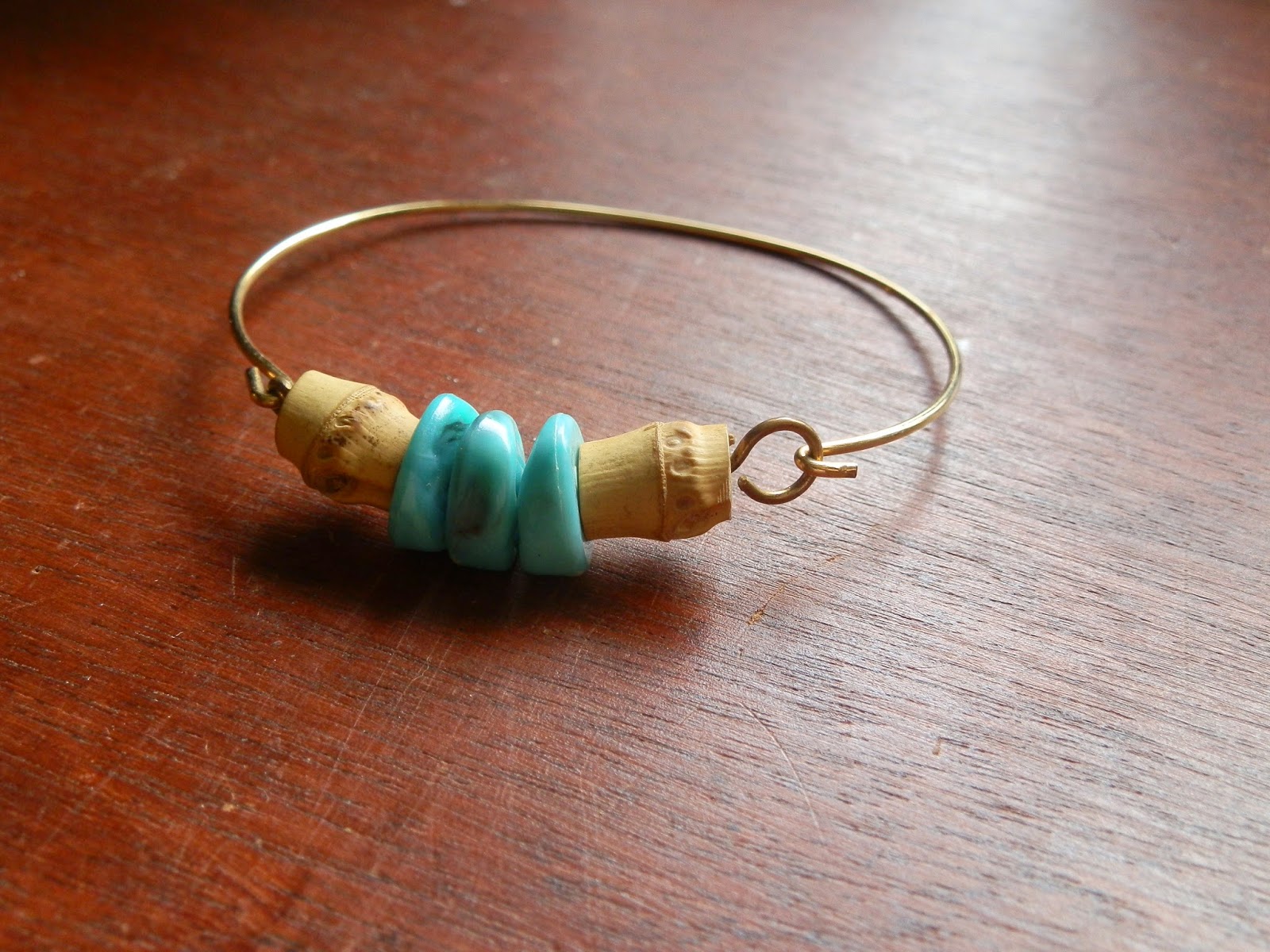
The jewelry I find is interesting. It has personality. It is different than the stuff I would find at a mall. I have never seen anyone wearing a piece I own. I am able to find jewelry that fits my style and my personality. Many of the pieces I find are very fun and quirky.

Each of the pieces in this post were purchased for $1-5, most of them $1-2. Except for the cactus earrings and the insulting pin. Those stayed at the store.


Thanks to the Bookworm in Wanatah, IN, for letting me take photos and for talking with us! If you are ever in the area, check them out!

Monday, October 21, 2013

Grocery Shopping Primer

For those just striking out on their own, or who are for the first time trying to get their grocery budget under control, here is a crash course in grocery shopping. The tips below can help you spend less while getting healthier, tastier food.

First, all the basics everyone already knows: don't shop hungry, avoid bringing along the kids, pay attention, avoid impulse buys.

Always shop with the sales paper. When I get my sales paper, I highlight any items that are a good price, and that we need. If apples are on sale for $.54 a pound, I plan on picking up some for snacks, baking, applesauce or even to freeze or dehydrate to use later. If pasta is on sale for $.75 a box, I circle that and plan on buying a lot. If you don't receive the sales paper in the paper or mail, grab it when you get to the grocery  or check online.

Make a list of items you definitely need and try to stick to it as much as reasonable possible. You don't want to just waltz in and throw whatever looks good at the moment or you'll end up with lots of snacks and sweets, and spend a lot more than you budgeted. On the other hand, you don't want to be so rigid that you pass up a fantastic deal on an item you regularly use just because it wasn't on your list. Some people also find great value in making a meal plan around the best sales in the paper, and this is especially good for those who have very busy schedules so you can avoid the after-work "what's for dinner?!?!" panic.

Shop first at the cheapest grocery store you can, then work your way to the more pricey ones to get anything that you can't find at cheaper venues. About every three months I shop at a really good salvage grocery and stock up on whatever they have at a good price, usually breakfast cereal, salad dressing, pasta, and juice. I save weekly for this grocery trip and plan to stock up on three months worth of food to get me through to the next trip. It's an hour away, so if I lived closer I'd shop more frequently. I often shop at Aldi or similar discount, no-frills grocery store. That's the best way to buy dairy, eggs, baking supplies and canned soups and veggies. Sometimes I shop at Kroger, Meijer or similar big grocery store chain. I get everything left on my list after the cheaper stores.

Sometimes bulk purchases save lots of money. Sometimes they don't. Sometimes generic brands are a fantastic deal, other times they're the same price as name-brand. So always, always, bring a calculator (this is the one benefit to everyone always having their cell phone on them). Divide the price for the item by the units of the package (pound, number, ounce, etc). Check this for the big package and the small package, the generic and the name brand. In this way you'll know which item is actually the cheapest, and can purchase accordingly.

Generic is often just as good as name brand, but not always. Especially for things such as salad dressing, the recipe may be better with one brand than another, or there may be a limit to selection in the generic (then again, since when do we need 30 different varieties of ranch dressing?). However, do try the generic. If you like it, you'll likely save a lot of money over the long haul. If you don't, you're probably not out much money. If you have a bad experience with one store or knock-off brand, try another. Items such as white sugar are the same regardless of brand. Buy the cheapest per pound. Regular all purpose flour is pretty much the same. Differences in flour come with buying bread, cake or other specialty flours, and are really not a big concern for the casual home baker. I'll bet your kids won't hate you because your cake was just moderately fluffy instead of being extra fluffy.

Clip coupons with caution. I use coupons sometimes, but not nearly as much as I used to. Coupons are often for snacks or convenience foods that aren't the most nutritious. This isn't always true though. I do clip coupons for juice, pasta, breakfast cereal (Trucker's guilty pleasure snack food), and condiments. Clip coupons only for foods you enjoy eating and that are nutritious (at least reasonably so). When you look over your sales paper, match coupons to sales and mark that on the sales paper. Sometimes you'll find that Barilla pasta is on sale for $1 a box, and you have a coupon for $.50 off two boxes, making it $.75 a box. Always bring all of your coupons with you so you can match the coupons with unadvertised sales or clearance items.

Before you shop anywhere else in your grocery store, check the clearance bin. If the item is nearing it's sell-by date, has damaged packaging, has old-design packaging, or is a discontinued variety, it is marked down, often 25-75%. Some stores have better deals than others, but it's always worth checking. See if you have any coupons for any of the items. If so, subtract the coupon value from the clearance price, divide by unit and compare to regular priced items (sometimes the clearance mark down isn't that great and won't be better than generic, even with the coupon).

Bread that is labelled "whole grain" or "whole wheat" is almost certainly not. It just has some whole grain or wheat added, and legally that's a-okay. The only way you can be sure it is completely whole wheat or grain is if it says "100% whole wheat" or "100% whole grain". "Wheat" bread is just a lot of white flour with a bit of bran thrown in and maybe some dye. Don't pay extra for the same basic product.

Store-brands of pasta are usually satisfactory and a great bargain compared to national brands. Many stores even offer whole grain pasta that is only nominally higher than their white pasta. Whole grain pasta is more healthful and filling that white pasta, so it is a great deal. Those pastas that have veggies mixed in are usually a lot more expensive, and I doubt that they are that much more healthful. Buy them if you find a great deal, but don't expect them to change your health.

Pasta sauces vary greatly brand to brand, but some of that can be overcome in cooking. Add seasoning to jazz up a bland sauce. A thin sauce can be cooked down to evaporate some of the extra water yielding a thicker sauce. Do experiment with all of the brands in your price range. There are three different brands that I like, and I buy whatever is the cheapest of those three.

If you buy canned soup, buy concentrate when possible as this is usually a better deal. If you dilute the concentrate with a can of water, halve the price per ounce when comparing the price to full-strength soup. Discount grocery stores usually have satisfactory canned soups in the basic varieties (chicken noodle, bean, tomato, chicken rice and beef vegetable).

Avoid baking mixes. They really don't save that much time and usually cost a heck of a lot more. Also, they lock you into baking whatever mixes you have in the cupboard instead of getting creative with what you have.

Ultra-pasteurized homogenized milk is ultra-pasteurized homogenized milk. Don't pay extra for one brand over another. However, raw milk, organic milk, goat's milk, lactose-free milk, or non-homogenized milk may very well be worth paying more for and is a higher quality product.

Be wary of labels on eggs touting "cage-free" "free-range" or "vegetarian fed". These are tricky labels. "Cage-free" may mean that a thousand chickens are crammed in a building with no access to the outside, but no bars. "Free-range" may mean that the hens are allowed access to a little dirt-patch, but never do because their first few weeks of life they were cooped up inside "for safety" and are now afraid to go out. "Vegetarian-fed" is pretty much a guarantee that those chickens never saw the outdoors. Chickens are omnivores and adore insects and mice. If they see a bug, they are eating it. If they are guaranteed vegetarian-fed, it means they weren't allowed outside and were fed a diet of grain. If you're going to pay extra for eggs, buy from a neighbor or local farmer you know.

Check the clearance meat section for marked down meat. When the package is a few days from its sell-by date, it is often marked down 25-50%. Buy what you can use within a day or two, or freeze for using later. Sometimes the deals are fabulous. Once I found ground hormone-free, pastured beefalo for $2/lb. I bought all they had and froze to use all summer long. When turkeys go on those wonderful deals around Thanksgiving (or hams around Christmas or Easter, or corned beef around St. Patty's), buy one or two extra. I love to pull a turkey out of the freezer in February and roast it, then package it into meal-sized portions (chunks for stir-fry and casserole, shreds for omelets, sandwiches or soups, and cook the carcass down for stock).

Most importantly, the grocery store is not the only place to buy groceries. It's also not usually the best, nor is it the cheapest.

Bakeries can be expensive, but they offer a very high quality product. Sometimes you can find a bakery that is outrageously cheap. One of my favorite bakeries in Chicago sells sub rolls for $.33 apiece and mini cookies 5 for $1. Ask your baker how long they ferment their bread before baking. The longer ferment times means that the bread is better for those with a gluten sensitivity or blood-sugar issues. At many bakeries, you can also find individual rolls (which are often great for sandwiches) or small loaves of bread so you can avoid waste if you're buying for one or two. (If you do have stale bread though, check out this article for ways to use it up)

Farmers markets can be very expensive if you just go in and buy whatever looks good (hint: it all does). If you eat very seasonally, it can be the best deal around. Once at the height of the tomato harvest, I saw a sign advertisting canning tomatoes 50 pounds for $25. Someone asked the farmer what made them canning tomatoes. He said, "Everyone here has tomatoes for sale. This is the only way I can move a lot of them." They were perfect tomatoes at a perfect price. My favorite farmer sells peppers at these prices: small cherry bomb hot peppers 5 for $1, jalapenos 5 for $1, hungarian wax peppers 4 for $1, green bell peppers $.5, red/purple/orange/yellow/black bell peppers for $.75. Another sells small hot peppers $.10/each and small sweet peppers $.15/each. Compare this to the grocery store that sold green bell peppers for $1 and red or yellow bell peppers for $1.50. When zucchini are in season, I often find them 4 for $1. When you find prices like these, stock up and preserve for later (shred and freeze zucchini for baking, dehydrate tomatoes or can sauce, freeze or dehydrate peppers, make pickles out of cucumbers, and puree cooked pumpkin for pies and muffins all winter long).

If you live in farm country, farm stands are great. You get great bargains and the items are very fresh. You also get to peek at the farm and talk with the farmer, two vital steps for responsible eating. You get to support a small farmer and thus save the world from Monsanto, and you keep the money in your community. So many wins.

If a neighbor sells produce in a little stand in their front yard, go nuts! These hold the best deals I've found on produce anywhere, except for growing it myself. I often find tomatoes, peppers, eggplant and winter squash for $.50-.75 each and cucumbers and zucchini for $.25. Again, you're keeping the money in your community and supporting cottage industry.

If eating pasture-raised meats, organic produce or raw milk is important to me, going through small farmers or homesteaders is the best way to go. For raw milk, it's the only way you can get your hands on it. For eggs, I pay $1.50-2.50 a dozen when buying from a small "hobby" farm, versus paying $7-8 through other venues for a similar product. Buying a share of a cow, pig, goat or sheep is often the best way to be able to get pasture-raised/hormone-free/organic meat at a price that's realistic for working and middle class families. You can even go in with friends or family members for a more manageable price and quantity.

Ethic grocery stores are almost always cheaper than grocery stores for ethnic foods. The price differences are astounding. At the grocery store, an 11 oz bottle of sweet roll sauce is $2.79 or more. At my Asian market, a 32.5 oz bottle is $3.25. White rice is over $2 for a pound bag at the grocery, but I just bought jasmine rice at the market for $12 for a 10 pound bag (50 pound bags are an even better deal, so next time I'm going to split a bag with family members). You can also find veggie varieties that the grocery doesn't offer for the same price or less than the same-ol-same-ol varieties at the grocery. Latino grocers are great for finding the less common parts of the animal. My favorite sells chicken feet for $.20/pound so I can make killer stock.

Talk with your local butcher about buying meat from the animals that people dropped off, but never picked up. The butcher often can't sell the meat, so you just pay the processing fee. This is common during deer hunting season. I get a whole deer for around $80.

If you have a bit of space, whether in the backyard, the patio or a windowsill, grow some of your own food. Seeds cost a penny or less. If you limit your inputs of store-bought chemicals, and instead compost your kitchen and yard wastes to make your own fertilizer, you can get practically free food. A penny for a seed, plus 10 cents worth of potting soil, put into a repurposed container such as a coffee cup, turns into a tomato plant that provides 4-10 pounds of tomatoes for your family. Lettuce is really easy to grow, and right now I'm even growing several pots on a sunny windowsill to add to salads in winter.

As you shop, work towards building a stockpile of food at the lowest price possible. Buy non-perishables in large quantity when the price is low. Pull the old ones to the front and put the new ones in back so nothing goes bad. Freeze, can or dehydrate produce when it's in season to use when it is out of season so has to be flown in. Freeze meat in meal-sized portions whenever you find a great price. Eventually you'll be buying not for the week's meals, but to replenish your pantry. At that point, you never have to pay full-price, you can just eat from the pantry while you wait for the next great sale.

Friday, April 19, 2013

Hanging Out With Friends...Frugally

When your budget is stretched thin, it can be hard to come up with extra money for entertainment, even hanging out with friends. Instead of sitting at home alone, try some of these tips to save money while still being social.

Go to the park. Go for a walk or bike ride. Go swimming at the beach. Have a picnic. Be kids again and play on the playground. It's free and you can get some exercise and fresh air.

Cook something amazing. Gather at the biggest/most well equipped kitchen among your friends and make dinner. Or cookies. Or jam. My family has an annual apple processing day where we gather to preserve lots of yummy food and talk.

Get crafty. Meet for knitting/crochet. Have a quilting bee. Scrapbook or make cards and share markers and fun scissors. Try fun new DIY projects such as T-shirt scarves. You can share materials and enjoy snacks and drinks at home.

Meet for coffee instead of a meal. Even meeting at a mid-level restaurant for lunch can set you back $10-15. If you get a basic coffee, it'll only cost $2-3. Do this once a week instead of a meal and you'll save $400-600 a year. For tips on saving money at a coffee house, see Cheaper Cup O Joe.

Have coffee at home instead of at the shop. I used to meet one friend at a coffee house every week for tea and bagels. After tip I was spending $6.50 each week. We started meeting at her house and took turns supplying the tea, bagels and cream cheese. By shopping sales, I could supply everything for $4 or less (considering that I would freeze the extra bagels for the next gathering and one box of tea would supply 10 weeks of gatherings). 

Go to a thrift store instead of the mall. Malls are expensive. It's too easy to completely blow your budget when you walk into a mall, especially if you see a big clearance section (the Achilles' heel of the Frugalite: that red mark-down sticker!). And while you can blow your budget at a thrift store, it's a lot harder to do. I love to dig around in thrift stores with friends. We can look out for particular items for each other and giggle at horrible clothes and wall hangings.

Run errands. If you (or a friend) are super busy, you can get some face time by running errands together. Go to the grocery store and catch up while you walk up and down the aisles.

Make dinner at home instead of eating at a restaurant. I can make a nice dinner for 4 for less than dinner for 1 at a restaurant (thanks to my mad grocery shopping skills). Have the friend bring beer/wine and you'll both save while getting a great meal.

Have a movie night at your home instead of at the theater. One person can bring drinks, another popcorn, and another candy. Watch an old movie from your collection or rent a new release. Either way, it will be much cheaper than the $10 ticket plus $5 soda and $8 popcorn at the theater.

Get in shape. Make a commitment to get fit together. You can keep each other motivated while having fun. Go for power walks around the neighborhood, go for a long hike or do yoga in the backyard.

Go to a free concert. Find a no-cover bar that has good live shows. If you can nurse a drink or two for the evening, it can be very affordable. Ask about specials. If there is a late-running happy hour, you could show up a little early to take advantage. One bar that I used to go to sold $1 PBR. While I'm a bit of a beer snob, if I were really hard up, I'd consider drinking it so I could have a $2 night out.

Go to free cultural events together. Go to gallery openings or to museums on free days. Go to plays, movies or concerts in the park. Go to a poetry slam or open mic night at a coffee house.

Have fun!


Shared on:

Monday, April 1, 2013

Beginning Frugality


Many people are now living in a new normal. You may be one of them. I know I am. The Great Recession changed things for many of us. We were laid off from high-paying positions when our employers decided to hire newbies for half the pay rate. Or perhaps our small businesses failed. For others, life just happened: illness, deaths in the family, giving birth to children. Some of us finally decided to get out of soul-sucking careers that left us drained of vitality. For whatever reason, many people are living on lower incomes than in previous years and are finding it hard to make ends meet.

Fortunately there are techniques and tricks you can implement that can keep you in balance. Here are some of my favorite tips for embarking on a frugal life. I aim to provide tips that make a difference, but don't take an unreasonable amount of time or energy. Pick one or two at a time and wait until it is second nature before picking a couple more so you don't get overwhelmed.

Keep track of your real income level. Make a list of your monthly income as well as benefits such as annual bonuses, health insurance, life insurance, company discounts and vacation time. Don't forget “little” benefits such as meal vouchers or free services. Now make a list of all work related expenses: second car (as well as all commuting related expenses), work wardrobe, salon services, makeup, day care, lunches out, and taxes. Don't forget such expenses as: coffee on the way to work, alcohol consumed to unwind from work, or take out on days you feel too tired to work. What is your real income level? Many times work-related expenses (not including taxes) can eat up 1/3-1/2 your income.

Look for ways to minimize your work related expenses so you bring more home. Packing a lunch (at $2 per meal) rather than buying at a deli for $10 a meal can save you $40 a week, or over $2000 a year. Making coffee at home ($.25/cup) instead of buying on the way ($2/cup) saves $450 a year. A few of these changes can make a serious impact on your financial picture.

But what if the expenses eat up over half of your income? When I worked in banking, I made $17k a year, but had to spend a lot of money to look nice: suits, salon hair cuts on a regular basis, makeup, a different style of jewelry than I usually wear. These ate up a lot of my money, meaning that I was really making a lot less for my time. Switching careers meant that I didn't have to have a second wardrobe or ever step foot in a fancy salon. Also, for those in soul-sucking careers, if switching careers means that you have less need to drink, smoke or therapy-shop, you could possibly switch to a lower income but more enjoyable career.

Look at your home. Does it fit you? Are you a single living in a 4 bedroom? Do you have a large, fancy house, but spend most of your time out? Many times we buy houses (or rent apartments) to fit some idea of how we are supposed to live rather than how we really want to live. When this means paying higher rents or crushing mortgage payments, it can destroy your life.

If mortgage payments or rents are too high to meet on your new income, consider taking drastic steps. I will admit, this will be easier for renters than home-owners. If you are renting, just consider moving someplace cheaper when your lease is up. For owners, it is harder, but is still worth considering. Consider moving to a cheaper city/suburb/neighborhood. Consider selling your big house to buy a smaller (and cheaper) one. Consider renting out a sleeping room or storage space. If needed, switching early in the game can save you from receiving eviction or foreclosure threats in the mail.

Even if the big changes won't work for you, look for other ways to save around the home. Mow your own lawn instead of paying someone to do it ($20 a week for 6 months a year=$520), avoid running the air conditioner (when you're not home, or during cooler parts of the day, or any time other than when you are asleep), turn down the thermostat (bundle up in warm clothes, keep active or cuddle under a blanket to stay warm), learn to perform maintenance and basic repairs on your appliances and decorate using thrift shop artwork (or your kids artwork!), homemade crafts and simple but affordable furniture. If you ever move, remember than the bigger the house, the more you (typically) pay to buy it, insure it, decorate it, heat it, cool it, in taxes and fill it with stuff.

Cars are another big expense. For some reason, we tend to have our self worth all tied up in some idea of image. Luxury cars announce that we are successful and highly paid. Whether people are really impressed by fancy cars or not, I challenge this idea. A car gets you from point a to point b. Period. It is most beneficial financially to drive the cheapest car that doesn't require regular, large repairs. Buying a newer used car can be perfect. You don't suffer the huge depreciation that accompanies driving a new car off the lot, but unlike very old cars, you don't have to fix some major problem every month.

Ask your insurance carrier about any discounts: senior, student, married, safe driver, military, multi-plan. Avoid speeding for better gas mileage and no speeding tickets. Don't buy “ultra-special-premium” gasoline; standard will work just fine.

Better yet, abandon the car altogether or whenever possible. If you live in a city with a good public transit system, you can live easily and better without a car. You save on payments, insurance, tags, testing, parking, tickets, meters, and repairs. For much, much less you can buy a monthly pass for unlimited rides. (A car and expense easily cost well over $500 a month, but a monthly pass costs $75-100). Maybe you aren't ready for that step, but you can drive less. Consolidate trips instead of making multiple trips. Run errands on your bicycle or commute by bike or foot. If you decide to keep the car, but commute without it, let your insurer know and you can save $10 a month.

The grocery bill is a prime target for beginning frugality. There are many ways to save on groceries. Eat at home instead of restaurant/take out meals. Don't let food go to waste (The average family throws away 14% of the food purchased). Buy only what you know you will use before it goes bad. Use leftovers for work/school lunches.

You can save an easy 20-30% by simply shopping the sales. When an item on your regular list goes on a good sale, buy a few extra. Even better, you can plan your meals around whatever is on sale. If whole chickens are on sale, you'll have roasted chicken one day, chicken casserole the next, and make soup out of the carcass the next. Peruse the manager's special sections each time you shop; prices are usually 50-75% off.

If you have a scratch-n-dent grocery store nearby, you can save big. These stores buy items that are dented, discontinued, have old-style packaging or are nearing their sell-by date from larger grocery stores. They usually (although not always) sell them at great prices. At one such store, I bought 2-lb bags of lentils for $.19 and I regularly buy whole-grain pasta for $.59/lb.

Grow your own. If you have a yard that gets a little sunlight, you can grow a portion of your food. It is best to start with foods that your family enjoys eating, is costly to purchase, that grows well in your area, and that are of higher quality when fresh. If you plan to be in your home for a number of years, consider planting perennial plants: asparagus, rhubarb, strawberries, berry brambles or fruit trees. And renters, don't despair! You can grow herbs or mesclun mix in a sunny window sill or sprout beans seeds in a dark cupboard. Ask your landlord for permission to plant someplace out of the way, or plan a nice edible display for a flower bed. It can't hurt to ask; my previous landlord let me put in a lettuce bed that supplied an entire season's salads.

Whether you live in the city, a small town or in the woods, you can forage. This is great fun to do with friends or with children. Take a hike through the woods and look for edible mushrooms (best to take someone who knows what their talking about and avoid mushrooms that have any poisonous lookalikes in your area) and ostrich fern fronds. In my area, there are several parking lots that have mulberry trees planted along the sides. Dandelions are one of my favorite foods. I also make tea from red clover, mix crab apples into my home-made applesauce and enjoy pears that grow near my favorite coffee house. Foraging supplies a small percentage of my diet, but provides variety and entertainment.

There is no need to pay full price for clothing. Look over the clearance sections or shop during buy-one-get-one-free (BOGO) events. Plan ahead for needs so you can buy when you find a low price. One spring I found a pair of $100 winter boots for $20.

Shop at thrift stores or consignment shops for fantastic bargains ($3 jeans instead of $50) Always inquire about sales, promotions or loyalty programs. My favorite thrift store always has half off on certain color tags, and once a month everything is half off (for half off days, go early for the best selection, but be prepared for crowds and long lines). Another store has a text club. They send out texts about once a week to let you know of sales such as “half off all jeans from 4-8 on Friday”. They have a drawing each month; once I won $25 in gift certificates.

Shoes are hit and miss (lower-end thrift stores usually have worn shoes, and good mens shoes are very rare). I like buying used jeans because they are already worn in and more comfortable. Children's clothing selection is wonderful, since kids grow up faster than they can wear out clothing.

A great thing about used clothing is less risk of low-quality goods. When you buy new clothes, you don't know how it will survive that first wash. Especially when buying from cheaper fashion stores, you run a risk of having something fall apart within a few wears. If you buy something at a thrift store in good condition, it is likely to last for awhile longer.

Health-care is immorally expensive in America. Insurance is a huge weight on the middle class family, and for working or working poor families, it is impossibly expensive. Paying out of pocket for medical procedures is no longer possible. Whether you have insurance or not, with vigilance you can reduce your out of pocket health costs.

An ounce of prevention is worth a pound of cure. It is cheaper for you to stay healthy than to try to regain health once you are sick. Ask your parents and grandparents about health problems in the family. Research how to lower your risk of those issues. The basics are important for all of us: limit junk food, eat a varied diet of whole foods, maintain a healthy weight, exercise often, quit smoking,avoid meth. You know. The basics.

Brush your teeth three times a day and floss daily. Avoid drinking soda and energy drinks, smoking or eating candy. Excessive toothpaste use is cheaper than filling a cavity or getting dentures.

If you are uninsured, it helps to know that in an emergency, the ER cannot turn you away because of an inability to pay. So if you think you are having a heart attack, or your child breaks an arm, go. For less pressing issues, however, know that the ER will leave you with thousands of dollars of debt. Search online to see if any area hospitals are not-for-profit and will charge a pro-rated fee depending on income level.

Some cities provide free health care for children and pregnant/nursing women. Most larger cities and some smaller ones have free or income-based clinics. These are great resources. They are inconvenient, they do not provide the best care, but they help. Expect to take a day off of work and expect spend most of the day waiting. Many clinics have limits on who they will help (only certain races or income levels); others help anyone who walks in and require no proof of income. If a clinic says they cannot help you, ask for information about other clinics. If you cannot find a free clinic, look for providers who charge on a sliding scale. If you are low income, this can save you a large amount of money. If possible, tell the doctor that you are uninsured, but will pay cash and ask for a discount. The insurance companies never pay the full price, so the doctor may be willing to cut you a similar break.

If you have a severely limited income and have trouble eating a nutritious diet, taking a cheap multivitamin can be helpful to avoid deficiency. A multivitamin is not a replacement for a vitamin-rich diet, but can help. I don't know for sure whether herbal supplements work. I know that many supplements are based on plants that are edible and nutritious, but I doubt the effectiveness of taking a tiny pill stuffed with a bit of dried herb. I prefer to eat my nettles rather than take a nettles pill. Making your own herbal medicine from plants you grow or pick (responsibly!) in the wild is probably more effective and certainly more cost efficient that buying.

Do yourself a favor. Get a good night's rest. When you are chronically under-slept, you suffer. You lose your ability to handle stress, both emotional and physical. Your immunity lowers. You'll get sick easier and have a harder time kicking the bug. You'll feel depressed and probably gain weight. You'll have less energy for the things that matter to you.

Entertainment is usually one of the first expenses to be cut out when a family is trying to become frugal. While I admit that a lot of entertainment options are overpriced, I think that it is very important to avoid boredom.

There are many great ways to entertain yourself that are free or cheap. During the time when my family was at our lowest income level (during the 2008 economic meltdown), we found it very important to get out of the house and have fun to give us the strength and encouragement we needed to look for decent jobs during a time when any job was hard to come by.

The best free form of entertainment is to get out into nature. Nature makes us happy. Studies repeatedly show that we are happier if we exercise outside, get dirt on our fingers or are near plants. So get out there! Go for a walk or a bike ride. Swim at a free beach. Go hiking in a state park. Go mushroom hunting or berry picking. Do yoga in the back yard. Pick wildflowers. Plant a flower or vegetable garden. Watch a meteor shower. Go camping in a tent at a park or in the back yard. Go fishing (and then have a fish fry!). Dance in the rain.

Find fun and frugal things to do at home. Play board or card games. Knit. Crochet. Sew. Make jewelry out of random things that would otherwise be thrown away (broken jewelry, computer parts, buttons from old clothes). Read a book. Listen to music and dance. Bake cookies. Learn to preserve food (it is great fun, educational, frugal and it increases your self reliance).

If your city publishes a free paper, get it. Browse through it for frugal local activities. Most papers publish a list of free or cheap activities. One city's free daily listed three happenings each day. One was a exciting/once-in-a-lifetime event and was usually expensive. One was cheap such as a $5 concert or a buy-one-get-one-free day at a movie theater. The other was for a freebie; sometimes they were small like a free coffee at a coffee house if you brought a travel mug and sometimes they were big such as a free day at a museum. I'm subscribed to an e-newsletter for my city. Each week I get a Mega-Weekend email letting me know of everything that is going on. Usually I can find something affordable or free every day.

Go to the website of museums in your area. Most have free days at some point. Some are free one day a week, some have one day a year, and others are free every day. Museums are usually crowded on free days, but the savings make it worthwhile. Ask your library if they have passes you can check out. Google coupons or promo codes.

If you live in a large city, consider buying an Entertainment Book. These sell for $30, but get you $20k+ value in coupons (obviously you won't use them all, but will certainly save more than $30). Many coupons are buy-one-get-one-free for meals, museum entrance, or cultural events. Some are for freebies such as a free dessert at a restaurant with no purchase requirements. There are discounts for hotels and amusement parks. If you are planning a vacation, buy one for the city you'll be traveling to and use it to plan your activities.

Go to the library often. Check out books. Read magazines and newspapers. Use the Internet. Attend concerts, lectures, classes, movies, and children's book readings. Check out passes to museums. Sign up for adult and children's reading programs to earn freebies such as coupons to museums or sporting events and to be entered into drawings.

Go small and local to save money on cultural events. Rather than going to see a national band at $100 a ticket, go to see a local band at a free or cheap show. Drink prices are often lower at local shows compared to large concert venues. Go to a small theater to see a play written and performed by residents of the neighborhood rather than going to see national, traveling acts perform at the large, fancy theaters downtown.

Learn to be patient. If you have to see a movie the day it comes to theater, you will pay $10-15 a person for tickets. If you can wait until it hits a second-run theater, you will pay $1-4 a person. If you wait until it is at the rental shop, you can pay $3 for the whole family. If you reserve it at the library and wait patiently until it is your turn, it is free. If you have to buy a CD as soon as it comes out, you will pay $20-30. If you wait until it is at a used store, you will pay $5-10. If you wait until it is old and the online market is saturated, you can get it for $2.99 ($.01 plus $2.98 shipping on Amazon).

Featured on:

Wildcrafting Wednesday Featured Blogger Award

Shared with:

Wildcrafting WednesdayDon't give up on your homestead dream -- keep hope alive

Saturday, February 9, 2013

How Frugal Living Makes Your Life Better

Many people associate frugality with deprivation. They assume that they'll suffer without the things they want and be miserable. I've found that the exact opposite is the case in my life. I'm what you'd call a "Black belt" frugalista, but I've found that my life is richer because of it. Here's some of the top ways that being frugal makes your life better.
  1. Ability to work fewer hours. If you have lots of expenses and debts to repay, you have to make as much money as possible so you can pay everyone. If your debts are minimal or non-existent and your expenses low, you can chose to work fewer days or hours each week. This time can be used for hobbies, fixing up your house, reading, spending time with the kids, time with significant other or friends, or exercising.
  2. Ability to retire early. If you keep your expenses low, but continue to earn a higher amount, you can bank that excess in a combination of retirement and other investment accounts. Once the balance is high enough, you can retire, and live off of your savings. You could actually retire while you're young enough to make the most of it.
  3. Better health. The cheapest health care is preventative health care. Treating a heart attack is expensive. Preventing one through proper diet and exercise is cheap. Many frugal practices are great for your health. Perhaps you bike to work to save on gas and the cost of owning a car, but a side benefit is that you get a rocking workout twice a day five days a week. Or you want to save money on meat by eating more vegetarian meals, smaller portions of meat or stretching meat with TVP. This will lower your overall fat consumption and help to maintain weight and cholesterol levels. You can garden to save money on groceries, and the side benefit is that your kids get excited about eating vegetables because they grew them.
  4. Higher quality time with loved ones. When you save money by going on a picnic instead of a movie date, you save money, but you also get to spend time talking and laughing. If you cut the cable, you can spend more time playing with your kids. I love it when my friends and I get together for cooking (see my post on my family's Apple Processing Day), foraging or crafting. It's much more fun than going to the mall.
  5. You own you. Consumers are owned by their stuff. If you learn to want less, you own you. You can still get stuff (I'm still obsessed with books), but you are in control of them, not vice versa.
  6. Freedom to switch jobs/careers. If you live a lifestyle that requires a high income, you are stuck in your job, or have a narrower pool of available job/career choices. If you have low expenses and a bank of frugal tips to fall back on, you can quit your job to take something that's a better fit, even if it pays less. If you regularly complain about how much you hate your job, or daydream often of owning your own business, frugality can free you to live your dream. 
  7. Freedom from some tough choices. If your wants are in control of your life, you can have some tough decisions. What happens if your favorite band is releasing a CD right when rent is due and your bank balance is low. Do you buy the deluxe edition CD and hope the landlord is understanding? If you are frugal, you know that within a month the CD will be cheaper and eventually you can find it at thrift stores. Or you could check it out from the library. 
  8. Option of having more or better. If you spend money as soon as you make it and don't practice frugal tactics, you're limited in options. If you have $25 for a book, that's all  you can buy new. If you have $25 for books, but shop at a thrift store, you can buy 5-10 for that price; a yard sale could yield 25-100 books for that price. If you are willing to buy clothes from the thrift store, you can nicer name brands or even designer apparel for the price of Wal-Mart clothes regular price.
  9. Better food. When I was less frugal, I wasted money on fast food and junk food. It tasted like crap and cost me a lot. Now that I'm frugal, I get much better food. The money I used to spend on a fast food meal can make a pretty elaborate meal at home. I shop at farmer's markets and scoop up whatever is in season and cheap, and have thus discovered Jimmy Nardello peppers, dragon's tongue beans, and Sicilian eggplant. I've tried new recipes to use up garden surplus, bargain purchased goods, or trash (roasted squash seeds!). 
  10. You get your life, not the Jones'es. When trapped in the consumer mindset, you have to have the latest gadgets, even if you don't use half of the features, the flashiest car even though you hate to drive, and a house in a fashionable neighborhood with impeccably fashionable landscaping and decorating. When you are frugal, you chose what is important to you and put your money towards that. If you want to have elaborate landscaping, you can do that, but if you'd rather live cheap and travel extensively, that's an option too. Your money is spent on what makes you happy.
Shared on:

Homestead Abundance

Saturday, December 29, 2012

Cheap Date Night

If you've ever felt that dates were too expensive, or if you are saving for a big goal and need to cut costs but don't want to cut out the romance, or if there is just too much month and not enough paycheck, this list is for you. Here are some of my favorite free or affordable dates.

* Check out a movie from the library. Pop popcorn on the stove top or in an air popper.
* Have a campfire in the backyard. Roast marshmallows and snuggle under a blanket.
* Take a long walk through the neighborhood (provided you aren't saving money by living in a dangerous area). It's a great way to spend time talking and be active together.
* Call area museums and ask about free days. Some museums have free days weekly, monthly or annually. Have fun, get a bit of exercise while walking around and learn a little something.
* Go to a concert or poetry reading at a coffee house. Unlike a concert at a bar, you can get away with buying one drink and nursing it through the evening, or get a bottomless cup of regular coffee. For $5 you can have a night out.
* Look for special promotions for area restaurants. Some that we've enjoyed: free coffee at a chain coffee house on Earth Day when we brought in reusable mugs, free coffee and samples at a cafe when they were rolling out a new menu, $.50 iced coffees on the first day of summer at a fast food restaurant, free small lattes when McDonalds was starting McCafe, $.25 kiddie cones on Wednesdays at a chain ice cream shop, $1 coffees at another chain one day each week.
* Go to a second run theater for special promotions. My area theater sells tickets for $1.25 one day a week and $1.75 all other days. Skip the popcorn and soda.
* Go to the beach for swimming, tanning and playing.
* Have a do-nothing day. Don't get dressed. Don't run errands. Simply hang out at home, cuddle, talk, eat junk food, take a bath, whatever. Relax and enjoy each other.
* Go for a bike ride.
* Make a good meal together, especially a labor intensive one. Trucker and I like to make Chinese food together. He'll chop the veggies and meat for stir fry while I'm assembling egg rolls and crab rangoon. We get to talk and giggle together while preparing the food, and the cost and taste are far superior to what we find at our area Americanized Chinese buffet.
* Go to an antique mall and explore. There are many things to amuse or awe you. We look out for antique kitchen wares that are affordable and in good, usable condition. You don't have to buy anything though, so this can be a free date.
* Take a drive. While high gas prices make this less of a good deal than in previous times, this is still a fun date. Drive out of the city to explore the countryside or drive through the woods during autumn for a color display. A favorite of ours when we were saving for our house was to drive through different neighborhoods and discuss whether we would buy a house there and why.
* Take the bus to a new neighborhood with a set amount of money in cash, say $10, and see how long you can make it last. Explore the neighborhood on foot. Stop in every store and look around. Spend your money on small things, like the $.50 rack of books outside the used bookstore, penny candies, or a bagel to split from the small corner bakery.
* Go to a used book store and look around. Look for bargain racks or clearance sections.
* Look for coupons in the Sunday paper for restaurants. Once, I found Buy One Get One Free coupons for Caribou Coffee. I dived a recycling bin for extra coupons and for months we had $1 dates (Two regular coffees using coupon, plus additional money off for bringing reusable mugs and correctly answering trivia questions).
* Sign up for thrift store newsletters and text alerts. A few times a year, our favorite thrift store sends out coupons for $5 off a $10 purchase. We go to the thrift store and try not to spend over $10 so we can get half off. We score some great finds, but don't fall into the trap of buying a ton of stuff because it's so cheap.
* Go for a hike/nature walk. Most cities have a decent metro park system and you can find lovely walking trails. Take your camera for nature shots and silly pictures. Look for interesting plants or weird bugs.
* Have a picnic in the park or the backyard.
* Go to a free concert or play in the park. In my city a theater troupe puts on Shakespeare in the Park. Some people go all out, bringing little tables in and setting up elaborate picnics complete with wine.

What are some of your favorite affordable dates?

Shared with
The Welcoming House Welcoming Wednesday

p>

Saturday, September 15, 2012

Living Well On $25k Or Less: Financial Goals

It's hard to save money. It's even harder when your income is in the lower brackets. It can feel impossible to save up enough money for a new car, a house, retirement or a vacation when you barely have enough money to pay your bills on time. Unfortunately, delaying saving for the future until that distant day when you earn six figures might mean that you won't get there. The good news is that it is possible to not only save for, but meet your financial goals, even when your income level is low.

First, think about where you want to be. Daydream. What do you think will make you really, truly happy? What needs do you foresee? Here are some common goals:

* Buy a house.
* Get married.
* Have a child.
* Take a trip.
* Start a business.
* Replace a car.
* Remodel a room/whole house.
* Go back to school.
* Retire.

Next figure out a realistic time frame. How long do you think your car can last before it needs major, costly repairs? How long do you think you will be able to and enjoy working? 

Put a dollar amount to each goal. It doesn't have to be exact, but do try to be reasonable. Now, figure out how much you will need to save from each paycheck to meet that goal. Is that amount reasonable for your current budget? If not, can you push back the date or increase your income through a part time second job?

Make a reminder. If you want to buy a house, post pictures of houses you love around your apartment. If you want to take an extended hiking trip, post breath-taking scenes. If you're expecting a child, get those ultrasound photos up. Look at them often and allow yourself to daydream about when your goals will be met and how happy that will make you.

Open an interest earning account that charges no fees for small balances. You don't want to pay $3/month while you are trying to build up your balance. A savings account is great, but you could also purchase $25 savings bonds or open a CD that allows deposits. For the latter two, make sure that you won't need the money before the funds are available; these are best for moderate-term goals, 3-5yrs out. 

Make it automatic, if possible. I've found that it is much easier to save money if I don't see it. I save for retirement automatically through my employers 401k. Since it comes out of my paycheck, I never miss the money, but it sure adds up fast. Ask your bank about setting up an automatic transfer to your savings account. Otherwise, treat this savings goal as any other bill. Pay it before you start spending on entertainment or other non-essentials. 

Now I know that it is not easy to come up with big amounts of cash when you're making a smaller income. Saving a small amount regularly adds up very quickly, however, and it's relatively easy to do. Here are some ways that I have had success finding money to save:

* Clip coupons for groceries. Deposit the amount saved into savings.
* Redeem rewards points for cash back. My card nets me $20 about every month ($240/yr).
* Tax refunds.
* Birthday money. I only do this if the goal is really exciting for me (taking a vacation vs buying a new commuter car)
* Sell stuff that you don't want/need. Old books, movies, and collectibles can earn you a bit of savings money and you'll have more space.
* Whenever you get an extra paycheck in a calendar month, put at least half into savings.
* If your employer offers a match, take it (401k).
* Cut unnecessary services such as netflix, even if for just a short while.
* If you pay off your current car payment, continue to make payments, but into your savings account. Same with credit card bills.
* Fill out rebate forms and deposit the checks, however small.
* Figure out how much it costs in gas to commute to work. Bike or walk and deposit the savings.
* Live below your means. Buy cheaper clothes than you can afford. Rent a cheaper apartment (as long as it is safe enough). Drive your car a little longer before replacing. 
* When you get a raise, deposit that little extra bit each paycheck. If you don't plan to save it, you'll quickly adjust your spending to use it all.
* Buy goods (groceries, clothes, household items) on sale and deposit the savings.

It may not seem like it, but these tiny amounts add up. If you use $10 worth of coupons per week, that is $520 a year. If your car gets 20 mpg and you commute 4 miles each way by bike, you'll save 2 gallons of gas a week ($4/gallon currently) for a savings of $32 a month. Several tips can quickly add up to a sizable deposit and get you closer to something that means a lot to you. 

So how does this work in real life? Actually, pretty well.

Three years ago, Trucker and I decided that we wanted to buy a house. We wanted space, hardwood floors and a huge backyard for gardening. We spent this time stretching our dollars to the limit. We deposited money into our savings account as soon as I got paid, and learned to live on what was left. Sometimes we didn't go out to eat when we wanted to. We learned to enjoy cheaper or free entertainment. Any extra money we received was deposited into our savings account. Sometimes it was hard. Sometimes we felt like we'd never save enough for closing costs and down payment.

Yesterday we closed on our house. It is roomy, and has hardwood floors and a big backyard for me to plant veggies. We were able to reach our goal through hard work, even while our income was well below the $25k mark. 

Don't wait until you get a better job to start saving for your future. Start now to work towards the things that matter to you.

So let's hear your story. What savings goal have you met? What did you do to make it happen?

Saturday, August 18, 2012

Spend-Free Challenges

How much did you spend last month? How much did you really need to spend? Most of us have a tendency to spend without thinking. We spend money on things we don't really want and then we have to work longer hours and don't get to attain our goals.

A great practice that I commonly participate in is Spending Free Months. For the entire month, I don't spend anything except for utilities and rent. No going out to eat. No groceries. No shopping. No gas except to commute if the weather is particularly nasty.

It takes some planning to pull this off. Before the month, I make sure I have food in the house, especially staples such as flour, sugar, cheese and milk. I fill in any obvious gaps (such as no pasta), but don't spend extra to stock up. I make sure I have refilled any prescriptions and filled the gas tank. In general, I make sure my basic needs are met. Also, in preparation, I may put a temporary hold on services such as Netflix, if possible.

Once the month begins, I plan meals around items in my pantry. It helps me to grow as a cook and I try lots of new recipes. I particularly like to use up any items that have been in the pantry for awhile. On a recent month-long challenge, I found a can of garbanzo beans that I had forgotten I had. I made hummus for dipping and veggie sandwiches. Once I roasted a 15 lb turkey that I had bought during the Thanksgiving sales for $7. That made for many sandwiches stir-fry, casseroles, omelets, wraps and a big pot of amazing turkey noodle soup.

I don't spend a penny on entertainment. I go to free concerts or movies in the park and free community theater productions. I go for bike rides and hikes. I have friends over for dinner or tea instead of meeting them out. I also look online for free fun in my city such as festivals and free days at local museums. I check the free local daily for any announcements of giveaways at restaurants (Once I found that a large coffee chain gave away free coffee if you bought a travel mug).

Since I am not spending time in stores, I have lots of time for frugal tasks. I darn socks and replace buttons. I harvest wild foods to supplement my pantry or to stockpile for winter. I work in my garden. I walk or bike to work when the weather is cooperative. I clip coupons and dumpster dive.

I visit the library often. I get lots of free entertainment. I check out a lot of good books and will pick a new skill to learn or subject to explore. I check out movies and documentaries. I check out CDs, and try a few new bands each time. I can also read the newspaper or magazines. Some libraries have free concerts, lectures, movies or classes.

The benefits of these challenges are great. I save around $600 extra each month that I complete a challenge. In the next few months, I am more aware of my spending, and as a result, don't spend as much as I did beforehand. This enables me to save an extra $200 a month for a few months after. I learn what things mean a lot to me that I missed greatly (having coffee at my favorite locally owned coffee house) and which things I didn't miss at all (commuting by car).

By doing a challenge every 4-6 months, I keep my spending in check all year round. This helps me speed up my savings for big goals. When I am not up to a full-month challenge, I may take a week-long or weekend-long challenge. Since my days off are usually my biggest-spending days, taking a two-day challenge has a high yield for the duration.

By doing a challenge every 4-6 months, I keep my spending in check all year round. This helps me speed up my savings for big goals.

Shared on:
TTF CoHost 1

Thursday, June 28, 2012

Living Well on $25k or Less: Clothing

According to an article I recently read on Psychology Today (here), households spend between 2.1 and 3.4% of their income on clothing. If your income is around $25k, that means $525-850. That's hard to work with once you factor in shoes, work clothes, special occasion wear and undergarments. Here's how we clothe ourselves affordably:

Develop a strong personal style and stick with it. Keeping up with all of the latest fashion trends means that you will be spending a lot of money on clothing and getting rid of a lot of clothing that still has life left in it. Decide what style you like to wear and build a decent wardrobe around that. Each item in your wardrobe will go with lots of other items, so you can put together more outfits.

Think of how and where you will wear an item. Sometimes it's best not to spend a lot on an item if it is going to be subject to abuse. A coworker at a food service job bought a pair of $45 khakis and spilled fruit juice all over the front after wearing them twice. Because I knew that stains would happen, I spent less than $2 on each pair. If, however, you are buying  something to wear when you need to make a good impression, such as a suit for a job interview, invest in it.

For some items, you really do get what you pay for, so invest in high quality. Examples are work shoes (especially if you're on your feet all day), bras, jeans, coats, boots and socks. Other items don't warrant paying big bucks if they won't be subjected to wear or won't be worn long: accessories, flip flops and trendy items.

Thrift stores are great sources for affordable clothing. While new jeans start at around $25, I often find jeans for $2-5. An added bonus is that they are already broken in and very comfortable. I also find lots of quirky t-shirts for $1-2. Many thrift stores have color-tag sales when all items with a particular tag color are discounted 25-90% off. I make a point of buying all of my work pants when on sale and usually only spend $1-2. Ask the cashier about end-of-month sales, holiday sales and bag sales for greater savings.

If you must buy clothing new, shop the clearance racks. This is an easy way to save 25-90% on your clothing. Sure, it's a season or two out of style, but if you plan your outfits carefully, most people won't notice.

Create an all-season wardrobe. Many items of clothing can be worn year round, and careful planning means that you need to buy fewer items. A t-shirt can be worn alone in warm weather or over a long-sleeved shirt in cold weather. A pair of leggings makes a short dress appropriate even in fall; you can also wear the leggings under pants in the winter for added warmth. A winter coat with a removable inner lining can be worn from autumn to early spring, whereas a regular winter coat is only useful from November to March.

Seasonal shopping. If your weight stays relatively the same, buy clothes for next year at the end of the season this year. Savings can be phenomenal; expect 75-80% off. Look for winter boots, thick socks, coats, sweaters, long underwear, gloves, hats and scarves in February or March. Buy swimsuits, shorts, tank tops and sandals in September. Sometimes thrift stores have end of season bag sales. You fill a bag of off-season clothing and pay a set amount per bag (often $2-5 for a paper grocery bag).

Alter found/cheap/old clothing. Sometimes you can modify an existing piece that just doesn't work and make something great out of it. A delightfully quirky t-shirt that's a size or two too big can be taken in to make a more snug fit, or turned into a dress. Jeans with ragged hems can easily be made into cut-off jean shorts or capris. You can even find instructions online to make underwear out of old t-shirts (here).

Make your own trashy accessories. If you are crafty, consider every item before you throw it away; you just might have the perfect material for your next piece of jewelry. Magazine pages can be cut and rolled into beads. In high school I used to make necklaces and bracelets out of junk I got at the scrap yard. I've seen earrings made out of pencils and bracelets out of computer parts.

Sometimes you'll find an item that is perfect. It fits perfectly, is comfortable, the color compliments your complexion and it goes well with your wardrobe. In this case it is sometimes a good idea to stock up. For example, if you find a pair of work shoes that is perfect and 40% off, buy 3 pairs.

When it comes to cleaning your clothes, obviously it is better to have an item that can be machine washed rather than dry cleaned. If you do have items that need to be dry cleaned, consider the at-home dry cleaning bags for the dryer. Wash full loads of clothing. Line dry clothing to save on electricity and to prevent excessive wear. Some items (e.g. jeans) don't need to be washed after every wear, especially if it is only worn for a few hours and it's not excessively hot.

Mend everything. Don't throw something away just because it's damaged. It's easy to replace a button (you did save the little button that was attached, right?). Sometimes at thrift stores I find big jars of buttons for $1 and those have saved many items of clothing. If a pair of pants is too long, sew an quick hem to keep it from dragging on the ground. Mend little tears before they become huge gaping holes. Darn socks. Treat stains. Your clothing will last much longer and save you the replacement costs.

For work clothes in an office setting, or other nicer items, shop at consignment shops in nicer neighborhoods.  Prices are a little higher than at thrift stores, but the items are of high quality and in good shape. At a consignment shop I used to frequent back in my banking days, the owner would keep an eye out for suits in my size and style and give me a call when something came in.

Look for coupons in the Entertainment book, newspaper, local weeklies, or on bulletin boards for dollars off your purchases. Sign up for mailing lists or loyalty clubs for stores that you shop at; some will send good coupons for your birthday.

Wednesday, March 14, 2012

Living Well on $25k or Less: Housing

Many young people are graduating from college and finding that they are not getting what they were promised. They thought once they graduated, they'd find meaningful, well-paying jobs with good benefits. Instead, many of them are working as baristas, servers and cashiers. At my last job, I knew a guy with a doctorate who was washing dishes. Despite a salary much lower than anticipated, student loans still have to be repaid and at least a little bit of money left over for rent and food.


If you are in this situation, it may be frustrating and more than a little scary. Fortunately, there are many ways you can cut your expenses without completely eliminating your quality of life. For the last several years, I've been living on a lower income (between $15k-25k/yr), but for the most part, I've still been able to eat good food, go out, and even save money for my goals.

Over the next few months, I'll share my experiences and tips from others on living well on less than $25,000 a year. This week, I'll talk about housing expenses.


First, limit your accumulation of "stuff." The more things you have the bigger a home you must have. If you have several thousand books, you'll need at least an extra bedroom to house just that collection. If you can keep your number of possessions low, you can rent a smaller apartment, perhaps a studio or one-bedroom apartment instead of a two-bedroom townhouse. This will save you a lot over the course of a year, plus you'll save money from not shopping.


Live near your favorite neighborhood instead of in it. A few years ago, I found a neighborhood in Chicago that I really enjoyed. It had lots of coffee houses and galleries and was just wonderful. It was also expensive. By living a little further north in a slightly less fashionable neighborhood, I was able to save a few hundred a month in rent. It was still close enough that I could walk there in fifteen minutes. That minor inconvenience was more than compensated by the lower costs.

Living with a roommate is a common way to cut expenses. You can split a two-bedroom apartment with one other person or rent a house with several others and save big bucks over renting a one- or two-bedroom apartment yourself. You'll also save on internet, cable, heat, electric and water. Find someone compatible and responsible, and make sure you both sign a written agreement.

Work for rent. While you might have to search to find such a situation, you may be able to find an opportunity to work in exchange for free or discounted rent. A friend of mine lives in an apartment at a car dealership. He keeps an eye on the place overnight in exchange for free rent.

You can be a live-in nanny or housekeeper and may get a small salary in addition to free housing. Some people are companions for the disabled or seniors who aren't ready for a nursing home but need a little help with cooking and cleaning. House sitting is great for transient types. For singles or couples, managing or maintaining an apartment complex usually provides free rent in exchange for basic care of the property and showing units occasionally. During the early years before children and lots of other commitments, you could really save up a lot of money (or pay down student loans) if you didn't have to pay any rent.

Communal living is great for those who like living with others of common goals and ideology. You can become completely self-sufficient or work on an organic farm. You'll have to work for the good of the community, but you'll have free housing, possibly free food and the opportunity to build relationships with like-minded people.

Rebound. Okay, this one may temporarily reduce your quality of life. Living with mom and dad for a short period of time may be a great way to set a strong foundation for your future. For the couple years after I graduated from high school, my parents let me stay with them rent-free so I could get my life together. I was working a full-time job  and banking 65% of my gross pay. I started funding my retirement accounts, paid for school while I was attending and built up a 6-month emergency fund. To help the family, I did most of the grocery shopping and cooked several meals a week in addition to helping clean and maintain the property. If you decide to go with this approach, make sure everyone involved is on the same page. Ideally, get it in writing just to avoid drama. This situation works best if it is on a short-term basis, perhaps for 6 months so you can build up a 20% down payment for a house.

Live in a cheaper city. Living in a city like Chicago or New York is wonderful, but pricey. Paying 60-75% of your pay towards rent gets old really quick. A few years ago, I moved from Chicago to a cheaper city where the rents are around 2/3 of the price, and the houses are even cheaper. I've been able to save up money for a house rather quickly. I'd love to live in Chicago again, but for now, I'm enjoying building up my savings account.
Related Posts Plugin for WordPress, Blogger...